


Choosing the right air purifier isn’t just about brand or price. One of the most important factors that determines how well a purifier performs is room size. If a unit is too small for your space, it will struggle to clean the air effectively. If it is bigger than needed, you may spend more money and energy than necessary. This guide helps you understand how room size works, how to measure it, and how to choose the right purifier for your daily needs.
This guide breaks down room size in simple terms and shows how to choose an air purifier that fits naturally into your daily routines, whether it’s for sleeping, cooking, or spending time in shared spaces.
Why room size matters more than features
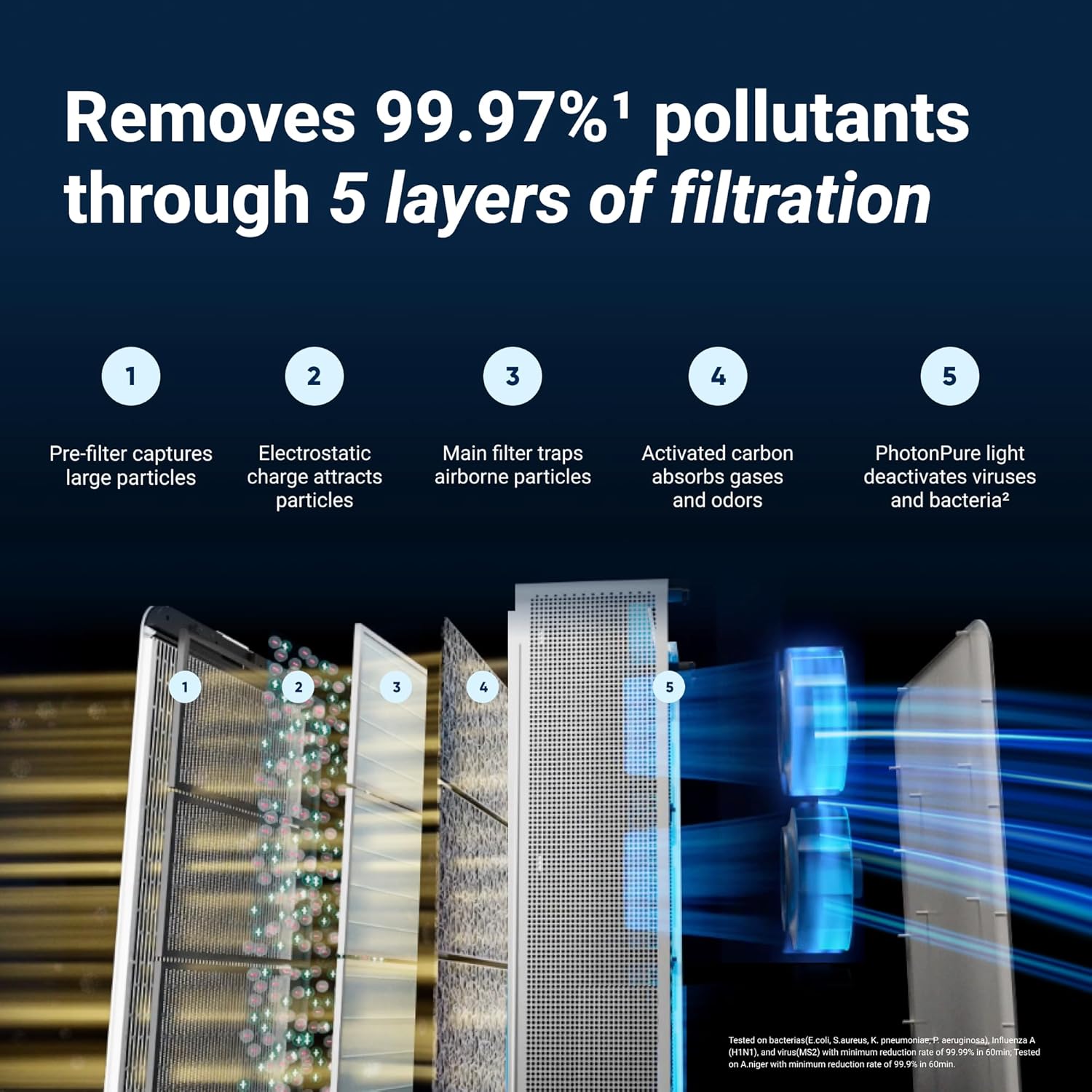
Air purifiers work by pulling air in, filtering out pollutants, and releasing cleaner air back into the room. They can only handle a certain amount of air at once. If the purifier’s capacity is too low for the size of your room, it will take much longer to clean the air — and may never reach the level of freshness you expect.
Manufacturers usually list a recommended room size for each model based on tests in ideal conditions. In real life, factors like dust, windows opening, pets, and cooking can make the air dirtier than test environments. This is why it’s often a good idea to choose a purifier rated for a slightly larger room than your actual room size.
The key point is this: matching the purifier to your room size gives you cleaner air faster and makes the unit work more efficiently.
How to measure your room for the right purifier
You don’t need any special tools to measure your room. Just measure the length and width in feet or meters.
Then multiply them:
Length × Width = Square footage (or square meter area)
For example:
-
A room that is 10 ft long and 12 ft wide = 120 sq ft
-
A room that is 15 ft long and 20 ft wide = 300 sq ft
If your ceilings are much higher than average, there is more air volume to clean. In that case, consider a model rated for a slightly larger space.
Knowing your room size helps you pick a purifier that will actually improve air quality. This is a simple step, but it changes everything.
What coverage recommendations really mean
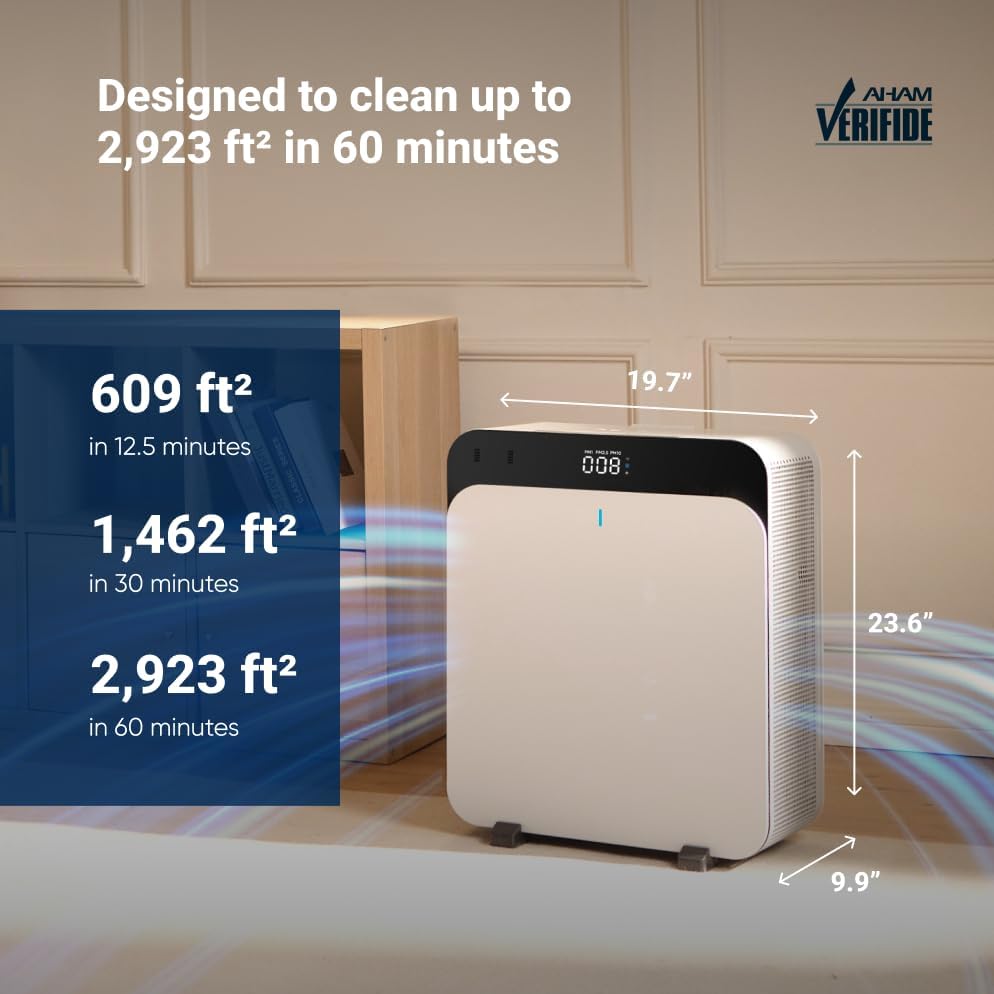
Most air purifiers are labeled with a recommended coverage area, but it’s important to understand what that means.
Manufacturers typically use a test called CADR (Clean Air Delivery Rate) to estimate how much air a purifier can clean within a set time. CADR is measured in terms of dust, pollen, and smoke. A higher CADR number means the purifier can clean air faster.
However, the listed coverage usually assumes ideal conditions — doors closed, windows closed, no pets, no cooking, and freshly vacuumed floors. In everyday life, your home will have more dust and activity than a laboratory.
This is why experts — including those at Oransi and Blueair — often recommend choosing a model rated for a slightly larger space than your actual room size to provide better real-world performance. For example, in a 250 sq ft bedroom, consider a purifier rated for 300 sq ft to ensure cleaner air under normal conditions.
What CADR means and why it matters
CADR stands for Clean Air Delivery Rate. It’s a number that shows how quickly a purifier removes particles from the air.
Here’s how CADR affects real life:
-
A higher CADR means faster removal of dust, pollen, and smoke.
-
Faster cleaning is especially helpful in living rooms or areas with heavy traffic.
-
High CADR is beneficial for households with pets, smokers, or allergy sufferers.
Consider CADR like the speed of air cleaning — the higher it is, the faster the air in your room gets refreshed.
Breathing easier in the bedroom
Bedrooms are where you spend many hours resting, so clean air here matters a lot for sleep quality. A purifier that matches your bedroom size can help reduce dust, allergens, and even odors while you sleep.
Here’s how to choose:
Small bedrooms (up to ~150 sq ft):
-
A compact purifier works well here.
-
Quiet operation and low energy use are key.
Medium bedrooms (~150–300 sq ft):
-
Choose a mid-sized unit with enough power to circulate air multiple times per hour.
-
Night mode or sleep mode helps keep noise low.
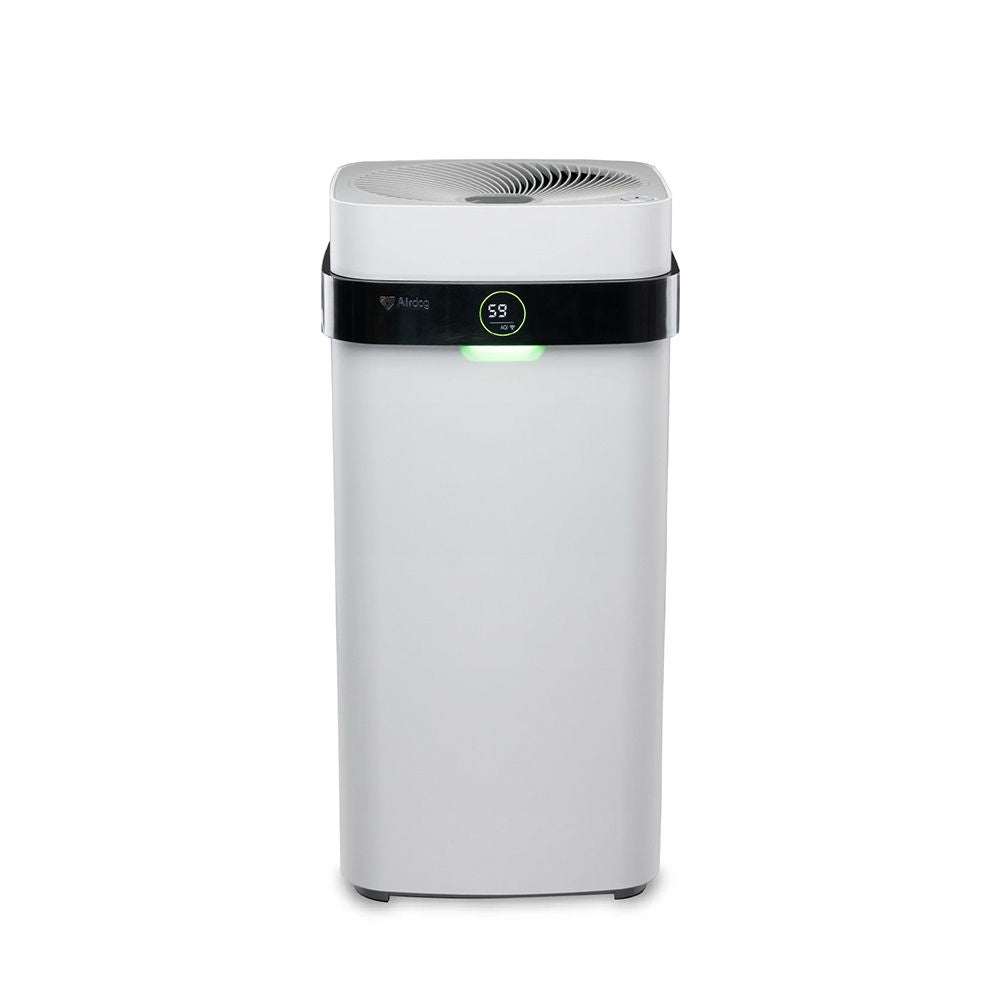
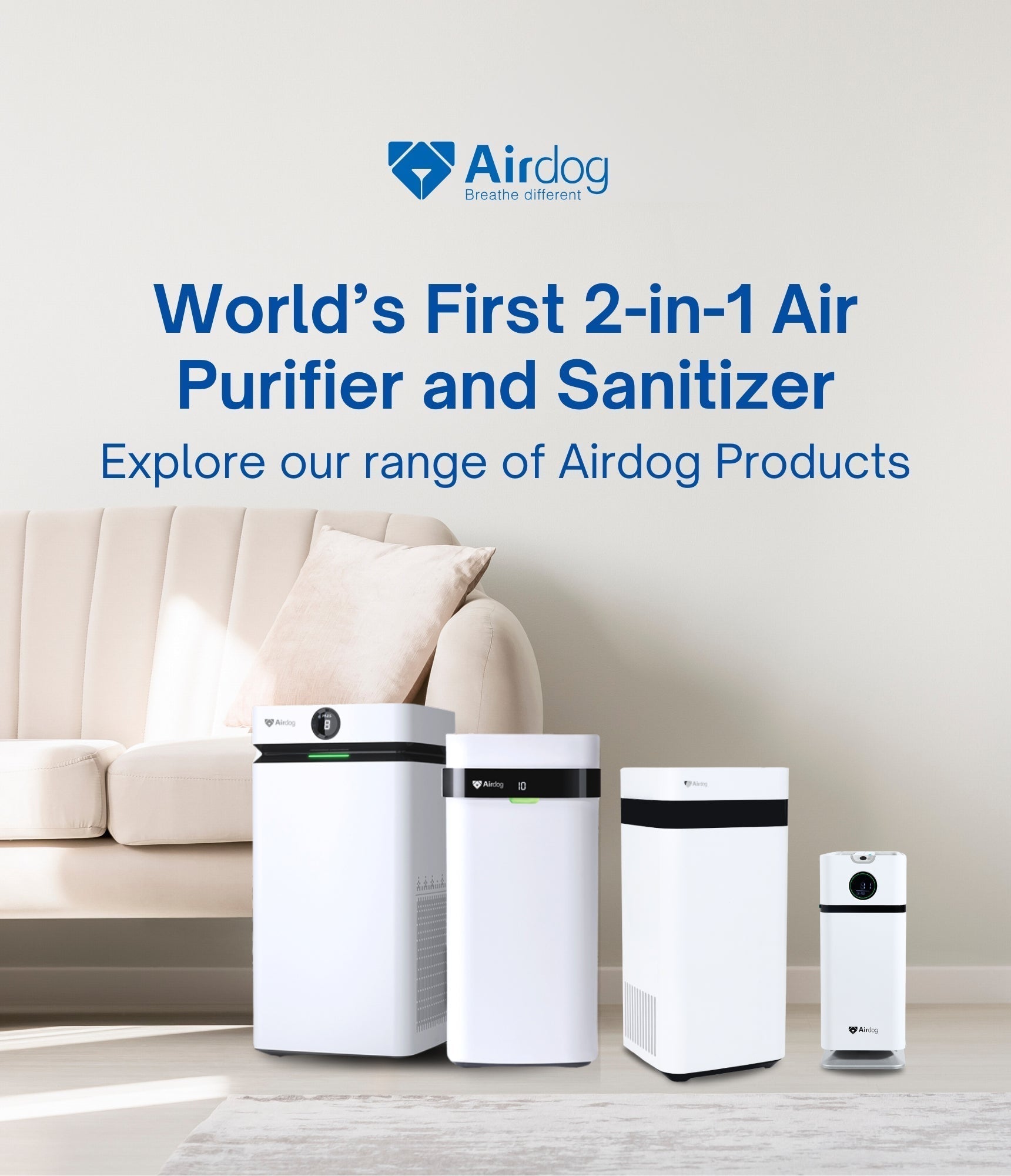
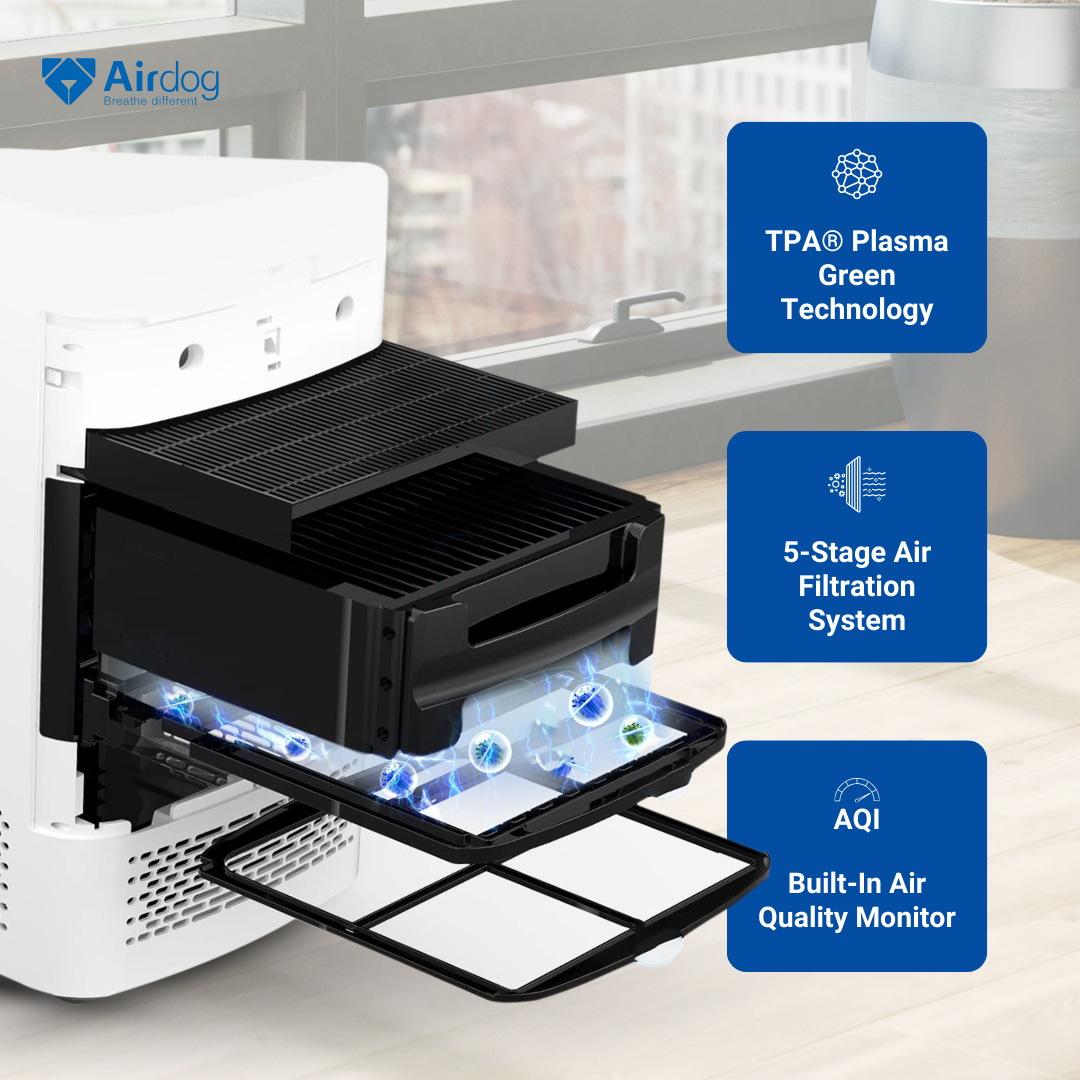
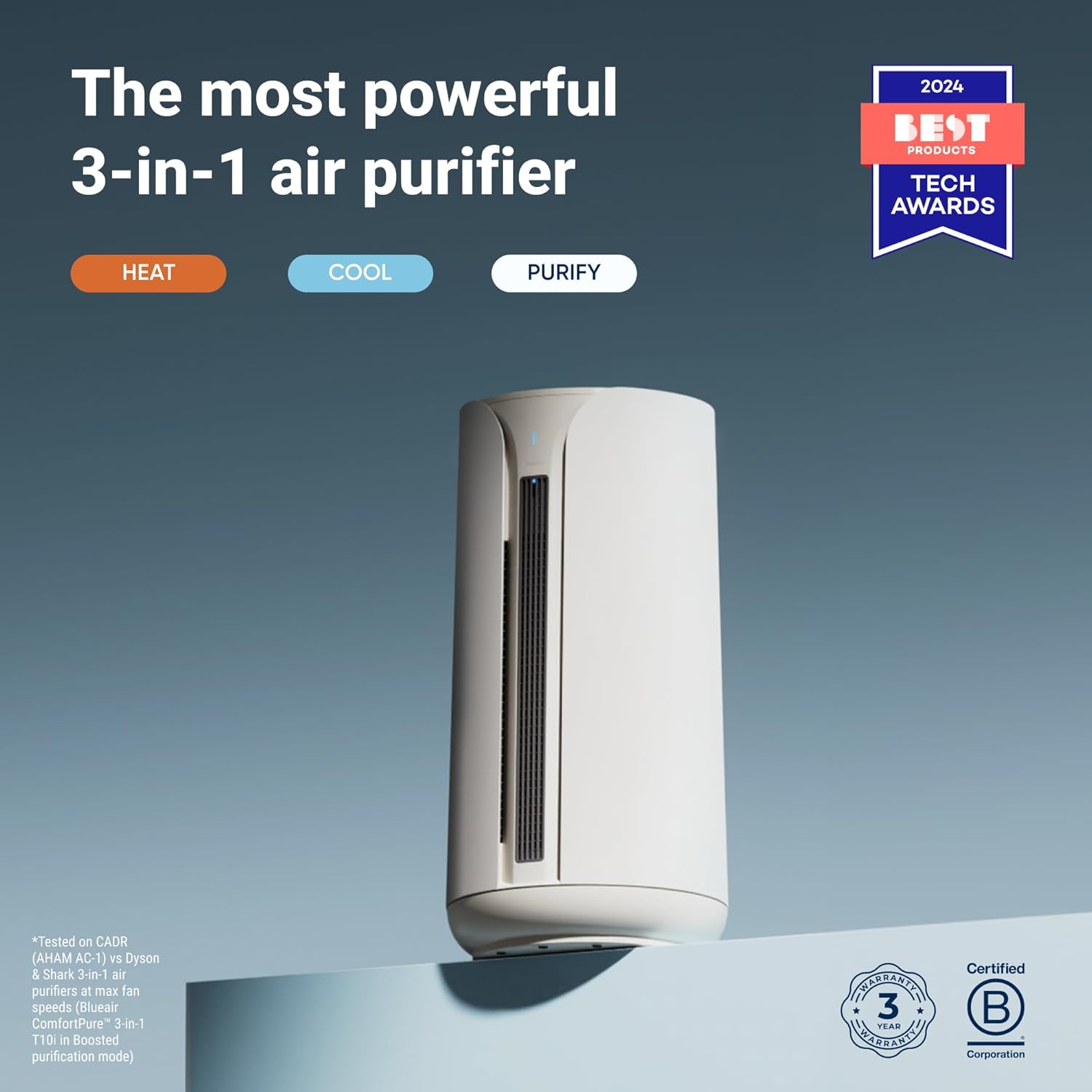
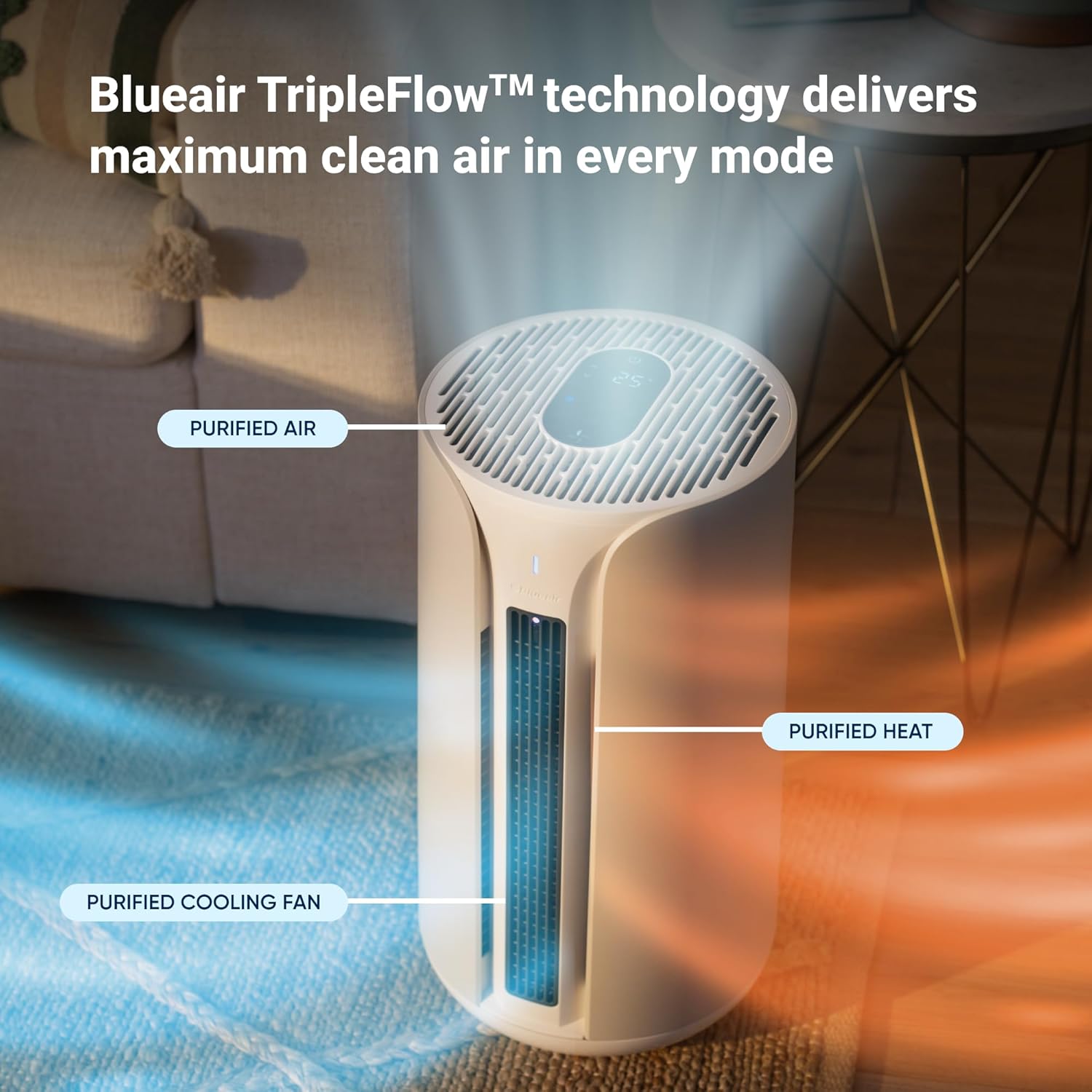
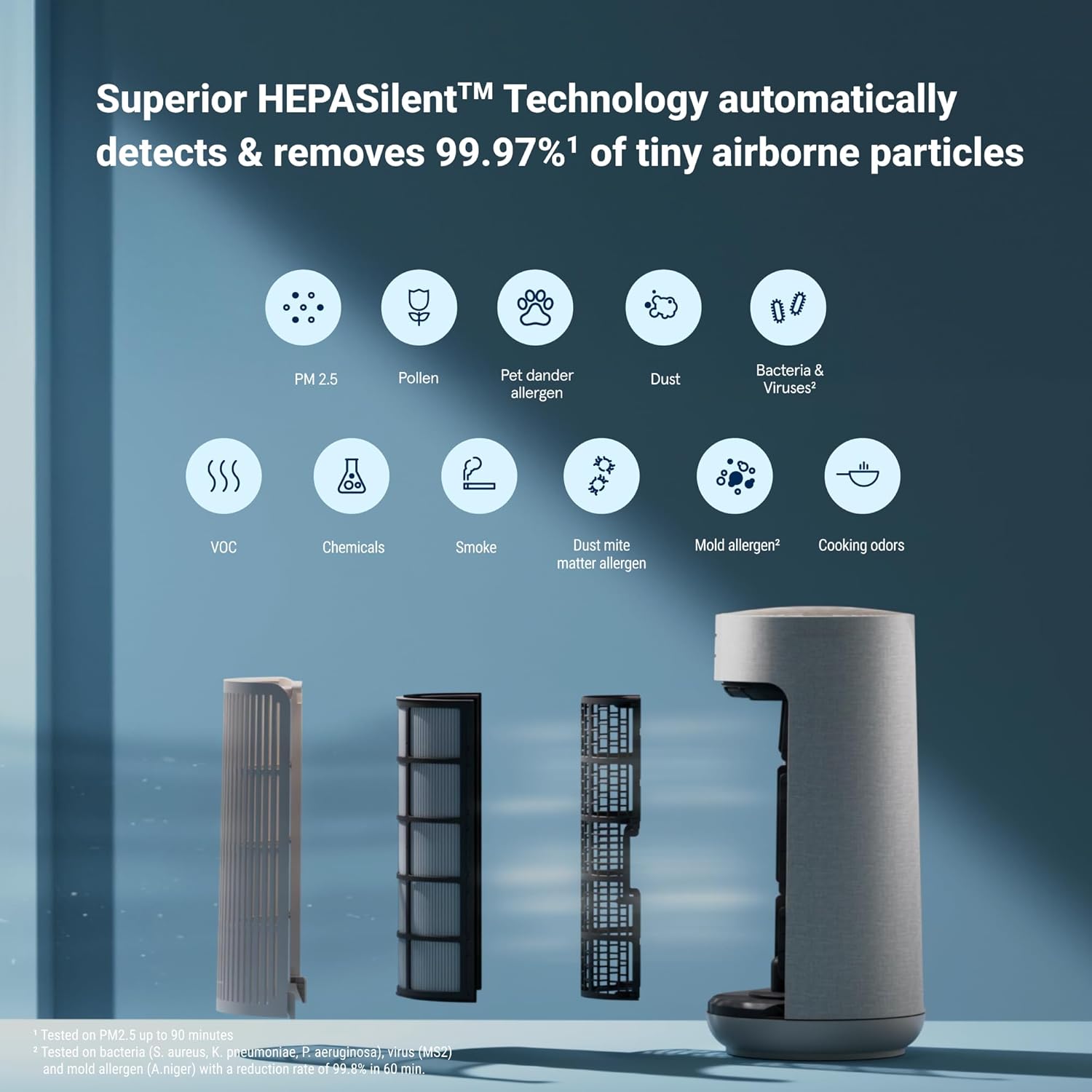
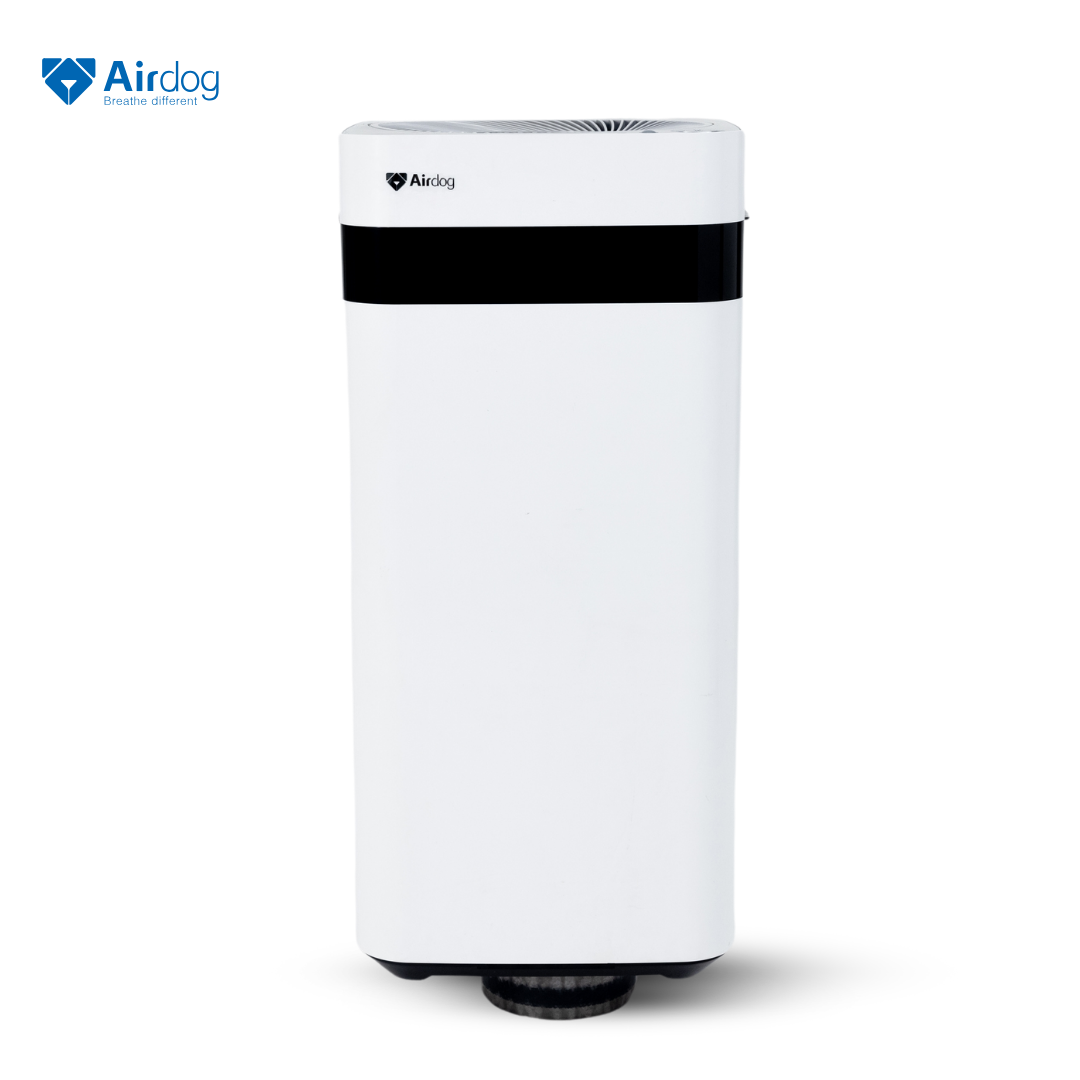
Brands like Airdog offer models with washable filters, which means you don’t have to buy replacements often. Blueair purifiers are known for smooth airflow and strong particle removal, even in rooms used every night.
When the unit matches bedroom size, you wake up feeling fresher with less dust on pillows and furniture.
Living rooms: bigger space, bigger needs
Living rooms are often where families spend most of their day. They may have more dust, stronger smells from cooking, more foot traffic, and even pet dander in the air.
Because of this, living rooms usually need purifiers rated for larger spaces — typically over 300 sq ft.
Here’s what to look for:
-
Higher CADR for faster air cleaning
-
Stronger fans for larger airflow
-
Auto mode that adjusts to air quality changes
-
Multiple speed settings for flexible use
In open-plan homes (where the kitchen and living area flow together), measure the entire connected space and choose a purifier rated for that full area. In some cases, two medium units in different locations work better than one large central purifier.
With the right purifier size, living rooms stay fresher for longer, even during daily family bustle or when guests come over.
Do you need more than one air purifier?
Most homes benefit from multiple air purifiers rather than a single central one. That’s because air purifiers clean air locally — they work best in the room where they are placed.
Walls and doors block airflow, so a purifier in your living room won’t clean the air in your bedroom effectively. For the best results:
-
Place a unit in each primary room you use daily
-
Prioritize bedrooms and living spaces
-
Consider smaller units for corridors or study areas
This approach spreads clean air throughout your home instead of concentrating it in just one area.
Everyday convenience: features that matter
Choosing the right size is step one. Step two is choosing features that make everyday use easier.
Here are useful features to look for:
-
Auto mode: adjusts fan speed based on air quality
-
Sleep mode: lowers noise for nighttime use
-
Filter change indicator: reminds you when service is needed
-
Washable filters: cut long-term costs
-
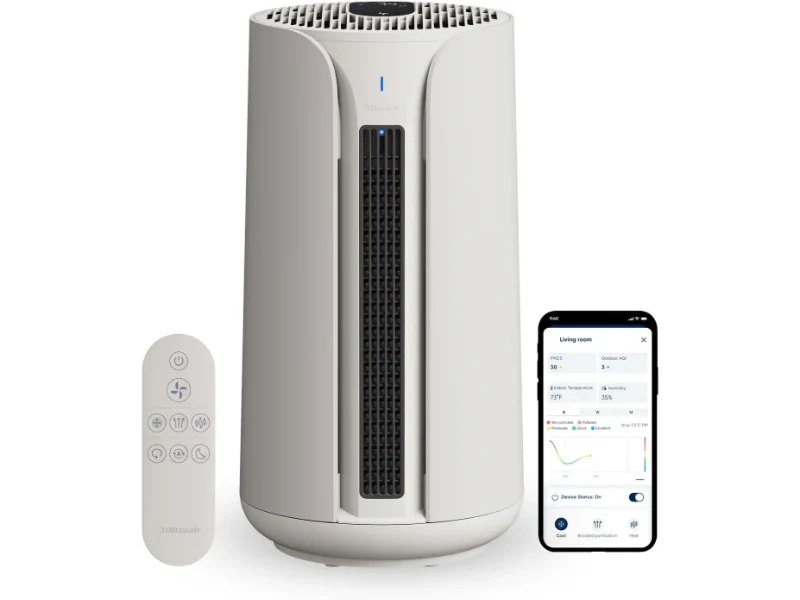
Remote control or app support: for easy adjustments
For example, Airdog models with washable filters save money because you don’t have to replace filters often. Blueair purifiers are known for intuitive controls and smooth performance in busy homes.
These features help your purifier fit into daily life without adding chores.
Placement tips for best performance
Even the right size purifier needs good placement to work well.
Here are simple tips:
-
Keep the unit a few inches away from walls
-
Avoid placing it behind furniture
-
Don’t block the air intake or outlet
-
Keep doors and windows closed while it runs
Good placement helps air flow freely, so the purifier can circulate and clean more effectively. In spaces where airflow is blocked, even a strong purifier will struggle.
Bigger isn’t always better ; find the right balance
Some people think that buying the largest purifier they can afford solves everything. But oversized units can be unnecessary for smaller rooms. A unit that is much larger than your room:
-
May cost more
-
May use more energy
-
May take up more space than needed
The goal is balance: choosing a model slightly above your room size gives better cleaning power without waste.
Quick room size reference
Here’s a simple guide to help you choose:
-
Up to ~150 sq ft → Small unit
-
~150–300 sq ft → Medium unit
-
~300–500 sq ft → Large unit
-
500+ sq ft → Extra-large or multiple units
Always compare these estimates with the manufacturer’s recommended coverage area before buying.
Final thoughts: Cleaner air day after day
Choosing the right air purifier room size makes a huge difference in how fresh your indoor air feels every day. When your purifier matches your space, you’ll notice:
-
Less dust on surfaces
-
Fewer allergy symptoms
-
Fresher air in bedrooms and living areas
-
Cleaner smells after cooking
-
Better comfort overall
Whether you explore Blueair systems for powerful airflow or Airdog models with reusable filters, the most important step is matching the purifier to your room size first.
When size and features align with your lifestyle, clean air becomes effortless and natural, not a guess or a compromise.